
The Glenroy Blog

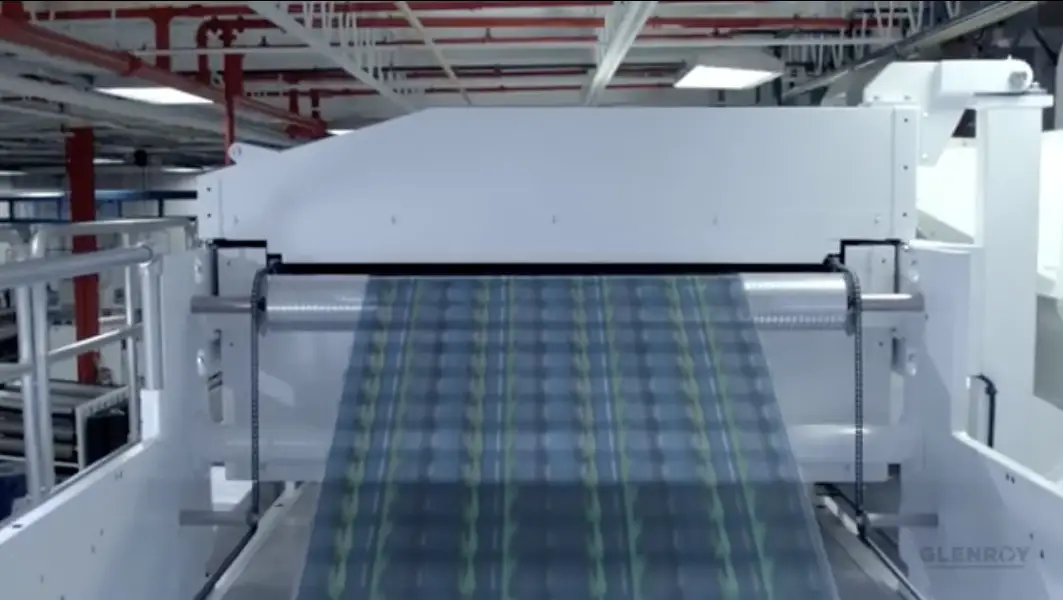
Flexographic Printing vs. Digital Printing for Flexible Packaging
Flexographic Printing vs. Digital Printing for Flexible Packaging At a Glance: Flexographic printing uses a raised photopolymer plate mounted on a plate cylinder to transfer ink onto film at high speed, which makes it the standard printing method for producing flexible packaging. Digital printing skips plates entirely and jets ink straight onto the substrate, which suits short runs, prototypes, and frequent artwork changes. Print quality is not the dividing line. The difference shows up in run...
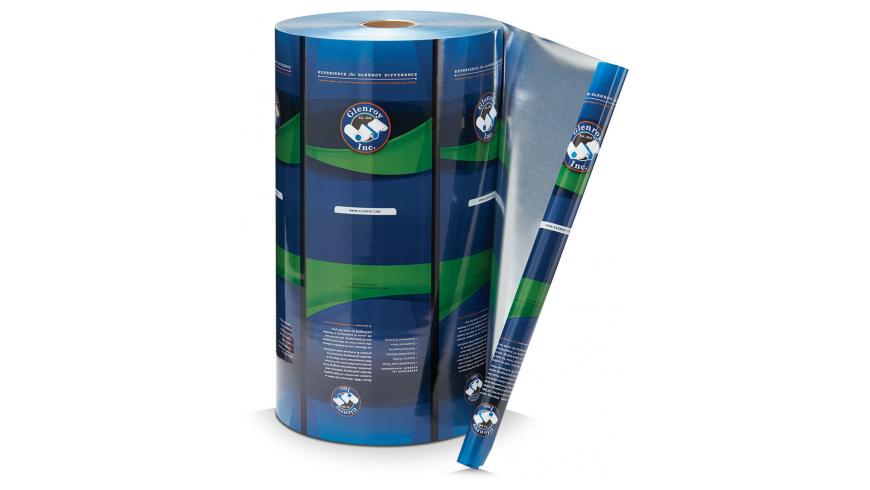
What Is Rollstock and When Should You Use It vs. Premade Pouches?
What Is Rollstock and When Should You Use It vs. Premade Pouches? The Short Answer: Rollstock is flexible packaging material supplied as a continuous roll of printed film that your filling equipment forms, fills, and seals into a package on the line. Premade pouches arrive already formed and sealed on three sides, so your line fills and seals them without forming anything. Both are flexible packaging. The difference is where the package gets built, and that drives cost, production speed,...
Understanding Laminated Packaging: The Key Differences Between Adhesive and Extrusion Lamination
Understanding Laminated Packaging: The Key Differences Between Adhesive and Extrusion Lamination At a Glance: Adhesive lamination bonds film layers together with a curing glue, while extrusion lamination uses a thin layer of molten plastic as the bonding agent. The right choice depends on your product chemistry, barrier needs, run speed, and budget. Laminated packaging is built from two or more layers of material joined into one structure. Each layer does a job: from printing to barrier...
Copacking Checklist: What to Prepare Before Production
Copacking Checklist: What to Prepare Before Production The Short Answer: Before production day, lock in your product and packaging specs, source materials with backups in place, finalize artwork and labeling, and document your quality control plan. The more your contract packager knows upfront, the fewer surprises (and changeover costs) you hit on the production line. Bringing a new product to a co-packer is part product launch, part group project. Your contract packager has the equipment and...
How to Optimize Your Packaging Supply Chain for Maximum Efficiency and Reliability
How to Optimize Your Packaging Supply Chain for Maximum Efficiency and Reliability The Short Answer: Optimizing your packaging supply chain comes down to picking the right packaging materials, building tight supplier partnerships, and using data to spot problems before they grow. Brands that get this right cut transportation costs, weather supply chain disruption better, and keep shelves stocked without compromising sustainability goals. A well-run packaging supply chain is the difference...